Understanding and Preventing Split Ends: Causes, Care, and the Role of Human Hair Extensions
Split ends are a widespread problem affecting many people—regardless of hair type or length. Unattractive, split ends make hair look dry, unkempt, and brittle. But what exactly causes split ends, how do they form, and what options are available to prevent them effectively? The connection with human hair extensions is also particularly interesting, as they can present both risks and solutions.
What Are Split Ends?
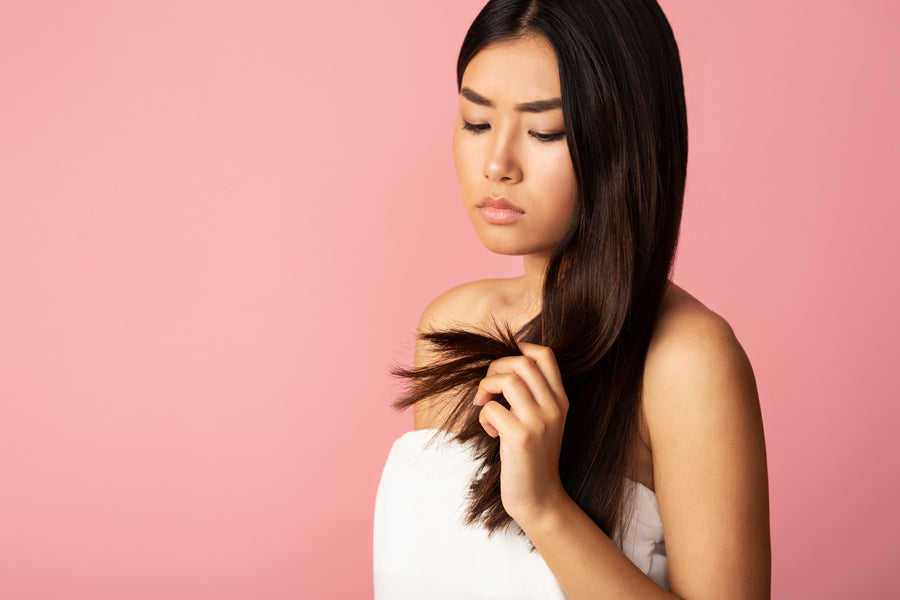
Split ends occur when the hair's outer protective layer—the cuticle—opens and the hair fiber splits into several strands. This problem usually appears at the ends of the hair, as they are the oldest and most stressed part of the hair.
Typical signs of split ends include:
- Frayed or split ends
- Dry, dull appearance
- Increased risk of hair breakage
- Difficulty combing and styling
If split ends are not treated, they can spread up the hair shaft and damage the entire hair structure over time.
Causes of Split Ends
The reasons for split ends are varied and often a combination of several factors. The most common causes include:
1. Mechanical Stress
Frequent brushing, vigorous towel drying, or tight hair styles can damage the hair structure.
2. Heat Damage
Blow dryers, flat irons, and curling irons strip moisture from the hair and weaken the protective layer.
3. Chemical Treatments
Coloring, bleaching, and perms damage the hair structure and make the hair more susceptible to split ends.
4. Environmental Factors
UV radiation, wind, cold, salt, and chlorine further damage the hair.
5. Lack of Care
A lack of moisture and nutrients causes the hair to dry out and break more easily.
Split Ends and Human Hair Extensions—an Underestimated Connection
Human hair extensions are a popular way to add length or volume to the hair. However, depending on how they are applied and cared for, they can have both positive and negative effects on the hair structure.
Risks of Extensions
Improperly applied or poorly maintained extensions can:
- Pull on the natural hair
- Increase friction
- Promote hair breakage
The risk is particularly high with low-quality or synthetic extensions, as they often do not have the same structure as real hair.
Benefits of High-Quality Human Hair Extensions
In contrast, high-quality human hair extensions can even help protect the hair:
- They reduce stress on the natural hair ends
- They enable stylish looks without constant heat styling
- They can be cared for like real hair and blend in more naturally
However, it is important that they are professionally applied and regularly maintained.
Effective Solutions for Split Ends
The good news: split ends can be prevented—and, to a certain extent, controlled. Here are the best measures:
1. Regular Trims
The most effective way to get rid of split ends is to trim the affected ends. A small trim every 6–8 weeks helps keep the hair healthy.
2. Proper Hair Care
- Use moisturizing shampoos and conditioners
- Use hair masks and treatments at least once a week
- Use leave-in products for additional protection
3. Use Heat Protectant
Before heat styling, a heat protectant should always be applied. This protects the hair structure from damage.
4. Gentle Drying
- Do not rub the hair; instead, gently squeeze out excess water
- Use a blow dryer on a low temperature
5. Choose the Right Brush
A high-quality brush with soft bristles reduces hair breakage and protects the ends.
6. Silk or Satin Pillowcases
These reduce friction during sleep and prevent hair breakage.
Special Care for Extensions
Those who wear human hair extensions should follow special care instructions to prevent split ends:
- Gentle brushing: Always work from the ends upward
- Special care products: Use products without silicones and alcohol
- Avoid tangles: Braid the hair before going to bed
- Regular check-ups: Have the extensions professionally adjusted
Proper care ensures that both the extensions and the natural hair remain healthy.
Home Remedies for Split Ends
In addition to professional products, there are also natural alternatives:
- Coconut oil: Provides intense moisture
- Argan oil: Strengthens the hair structure
- Aloe vera: Soothes and nourishes the scalp
- Egg masks: Provide the hair with proteins
These home remedies can help improve the hair texture and prevent split ends.
Nutrition and Hair Health
Healthy hair starts from within. A balanced diet plays a crucial role:
- Biotin: Promotes hair growth
- Omega-3 fatty acids: Provide shine and elasticity
- Iron and zinc: Support the hair structure
- Proteins: Important for building hair
Those who pay attention to a nutrient-rich diet strengthen their hair sustainably.
Conclusion: Prevent Split Ends and Keep Hair Healthy
Split ends are not an unsolvable problem, but rather a sign that the hair needs more care and protection. With the right combination of regular haircuts, gentle care, and a mindful styling routine, split ends can be effectively prevented.
Human hair extensions can be both a challenge and an opportunity. While poorly maintained extensions can damage the hair, high-quality options offer the opportunity to reduce stress on the natural hair while adding more volume and length.
Those who pay attention to quality, proper application, and intensive care can reduce split ends in the long term and enjoy healthy, shiny hair.
Do you need care instructions for your extensions? Please click on this link: Care instructions for human hair extensions.